Sprache

Holen Sie sich ein Zitat
+86-152-5712-5882
Holen Sie sich ein Zitat
 Heim / Ausrüstung / Schweißzubehör / Schweißelektrode / Ф13 Kopf Chrom Zirkonium Kupferschweißen Kupferkopfschweißelektrode
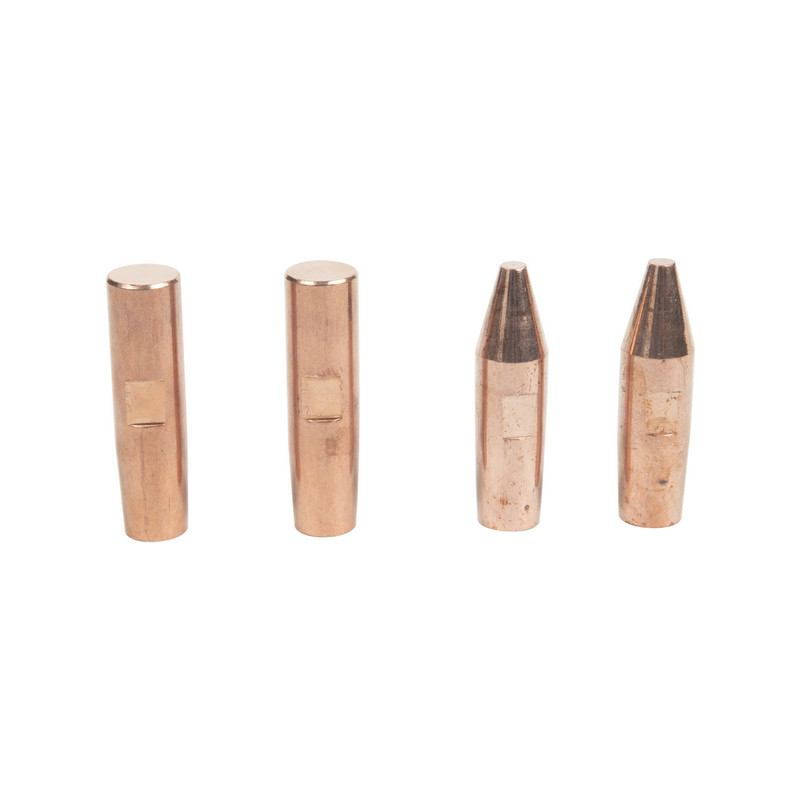
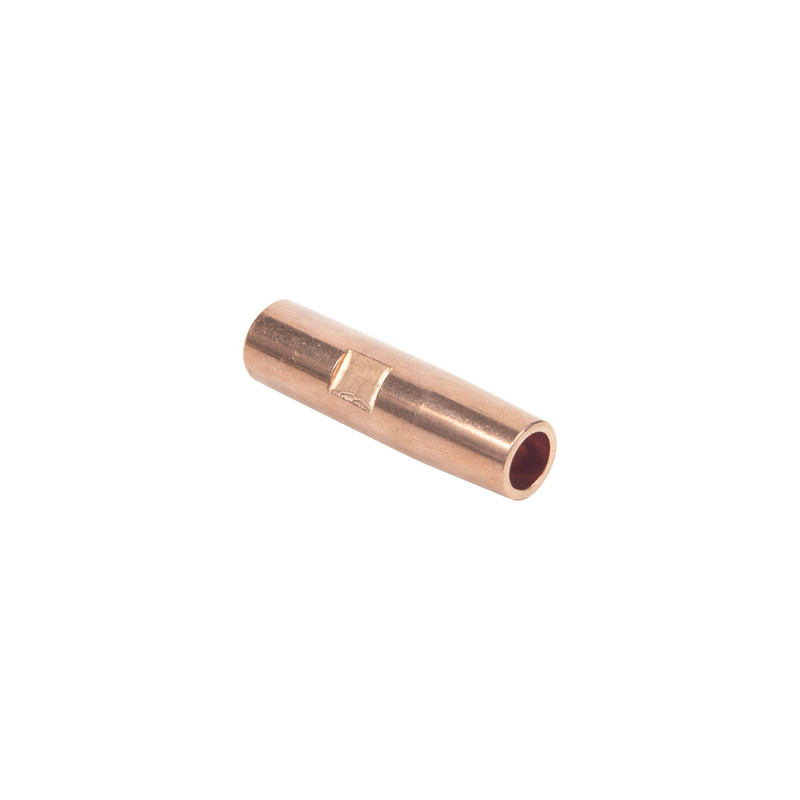
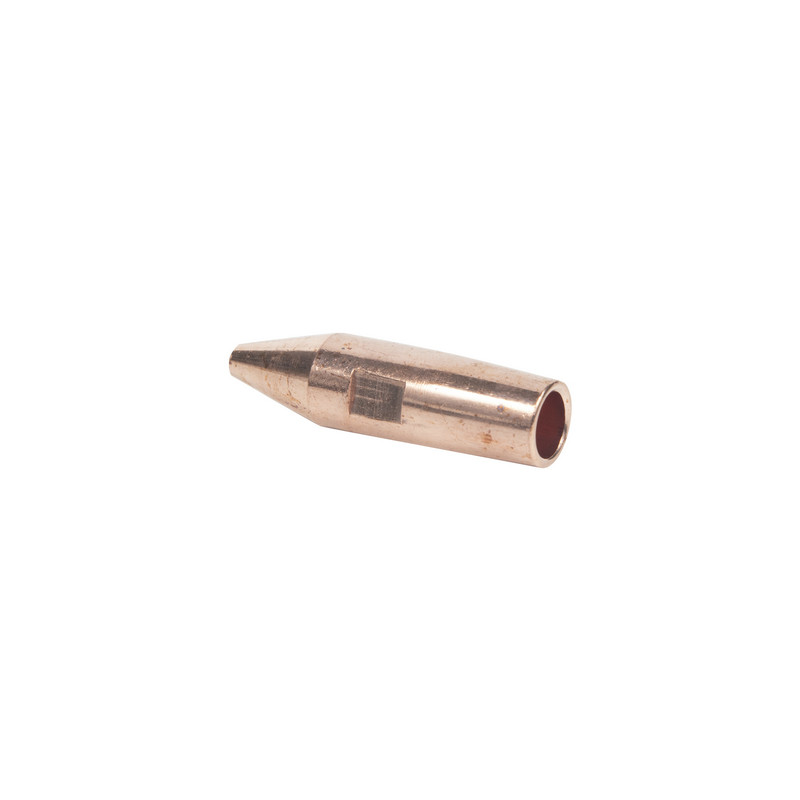
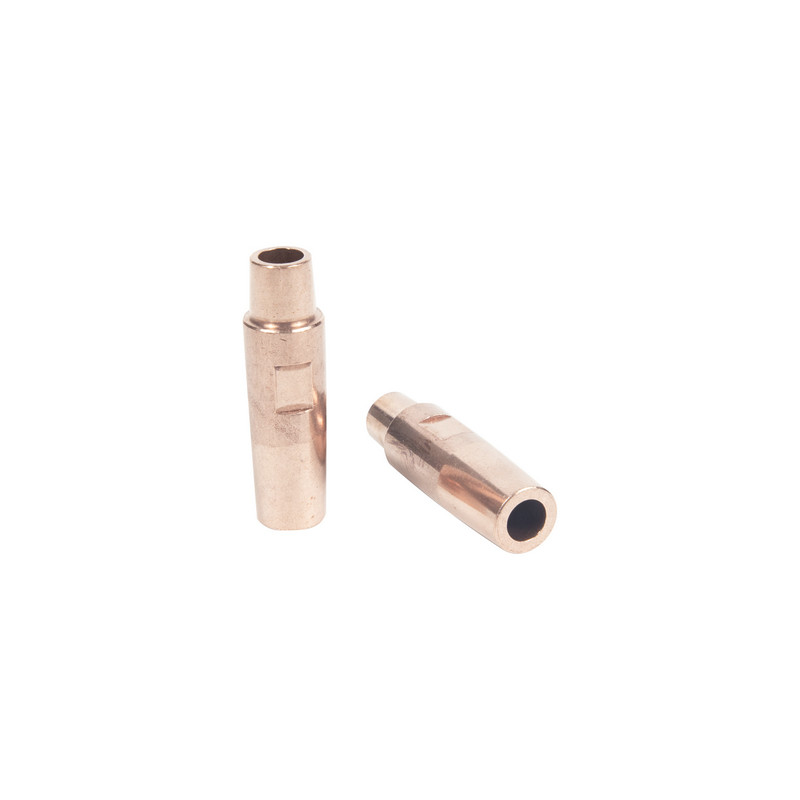
Die Zirkonium -Kupferschweißelektrode des Zirkoniumschweißungskupferschweißes von ф13 dient als entscheidende Komponente innerhalb des Stromkreises einer Spot -Schweißmaschine, die für die Durchführung des elektrischen Stroms und die Erzeugung der erforderlichen Wärme für den Schweißprozess verantwortlich ist. Unser Unternehmen verwendet Chromzirkoniumkupfer als Material für unsere Schweißelektroden, die für seine außergewöhnlichen Eigenschaften ausgewählt wurden. Dieses Material verfügt über eine hohe elektrische und thermische Leitfähigkeit sowie eine bemerkenswerte Härte und Verschleißfestigkeit. Es ist auch widerstandsfähig gegen Explosion, Riss und Weichung, was es sehr langlebig macht. Während des Schweißens erfährt die Elektrode hohe Temperaturen, aber nur einen minimalen Verlust, was zur Schnelligkeit des Schweißprozesses beiträgt.

Technische Daten
| Modellnummer | T | L | Modellnummer | T | L |
| MSC-1640-1 | 1/10 | 40 | MSP-1640-1 | 1/10 | 40 |
| MSC-1645-1 | 1/10 | 45 | MSP-1645-1 | 1/10 | 45 |
| MSC-1650-1 | 1/10 | 50 | MSP-1650-1 | 1/10 | 50 |
| MSC-1655-1 | 1/10 | 55 | MSP-1655-1 | 1/10 | 55 |
| MSC-1660-1 | 1/10 | 60 | MSP-1660-1 | 1/10 | 60 |
| MSC-1665-1 | 1/10 | 65 | MSP-1665-1 | 1/10 | 65 |
| MSC-1670-1 | 1/10 | 70 | MSP-1670-1 | 1/10 | 70 |
|
|
|
|
|
|
|
| MSC-1640-2 | MT#2 | 40 | MSP-1640-2 | MT#2 | 40 |
| MSC-1645-2 | MT#2 | 45 | MSP-1645-2 | MT#2 | 45 |
| MSC-1650-2 | MT#2 | 50 | MSP-1650-2 | MT#2 | 50 |
| MSC-1655-2 | MT#2 | 55 | MSP-1655-2 | MT#2 | 55 |
| MSC-1660-2 | MT#2 | 60 | MSP-1660-2 | MT#2 | 60 |
| MSC-1665-2 | MT#2 | 65 | MSP-1665-2 | MT#2 | 65 |
| MSC-1670-2 | MT#2 | 70 | MSP-1670-2 | MT#2 | 70 |
| Modellnummer | T | L | Modellnummer | T | L |
| MSF-1640-1 | 1/10 | 40 | MSE-1640-1 | 1/10 | 40 |
| MSF-1645-1 | 1/10 | 45 | MSE-1645-1 | 1/10 | 45 |
| MSF-1650-1 | 1/10 | 50 | MSE-1650-1 | 1/10 | 50 |
| MSF-1655-1 | 1/10 | 55 | MSE-1655-1 | 1/10 | 55 |
| MSF-1660-1 | 1/10 | 60 | MSE-1660-1 | 1/10 | 60 |
| MSF-1665-1 | 1/10 | 65 | MSE-1665-1 | 1/10 | 65 |
| MSF-1670-1 | 1/10 | 70 | MSE-1670-1 | 1/10 | 70 |
|
|
|
|
|
|
|
| MSF-1640-2 | MT#2 | 40 | MSE-1640-2 | MT#2 | 40 |
| MSF-1645-2 | MT#2 | 45 | MSE-1645-2 | MT#2 | 45 |
| MSF-1650-2 | MT#2 | 50 | MSE-1650-2 | MT#2 | 50 |
| MSF-1655-2 | MT#2 | 55 | MSE-1655-2 | MT#2 | 55 |
| MSF-1660-2 | MT#2 | 60 | MSE-1660-2 | MT#2 | 60 |
| MSF-1665-2 | MT#2 | 65 | MSE-1665-2 | MT#2 | 65 |
| MSF-1670-2 | MT#2 | 70 | MSE-1670-2 | MT#2 | 70 |
Empfohlene Produkte
DEN KONTAKT HALTEN

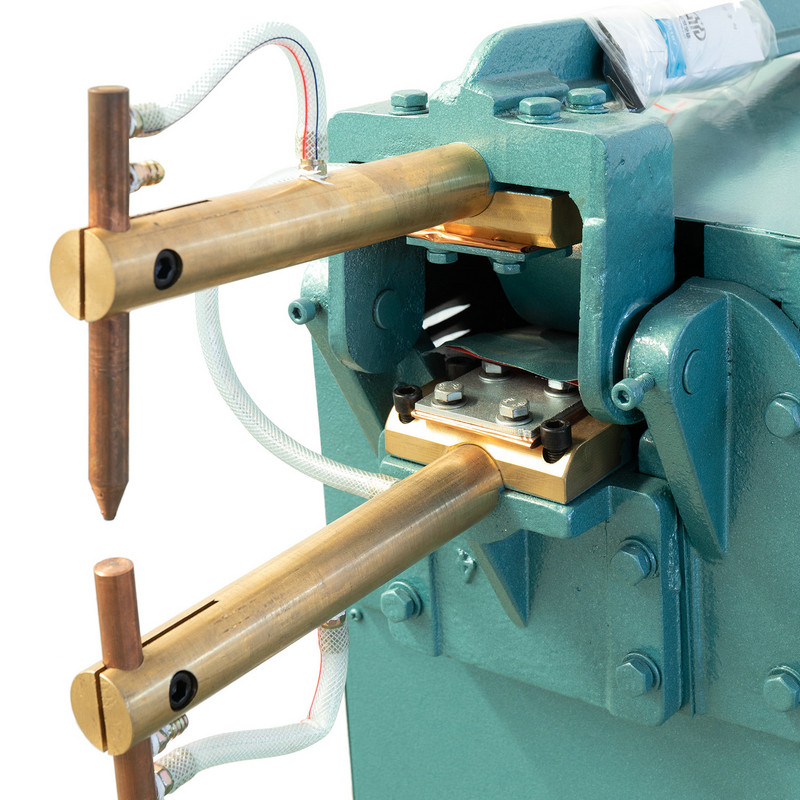
Every weld is a production decision. When you choose an electrical welding machine, you are really choosing how to balance weld quality, cycle time, and operator effort on your floor. After ...
MEHR LESEN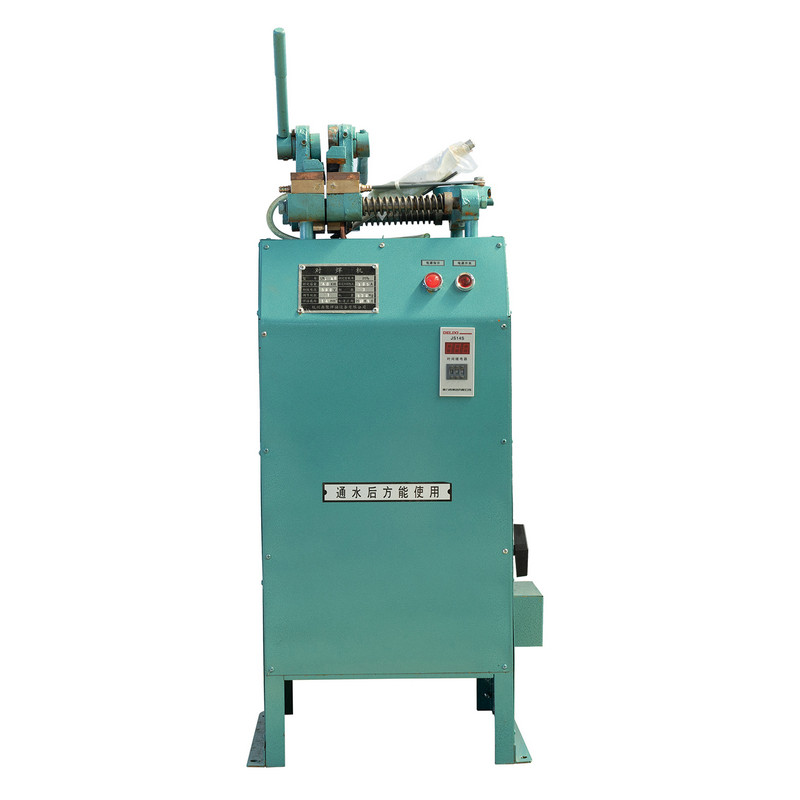
Understanding Resistance Butt Welding and the Role of Flash Weld Technology Joining two metal bar ends face to face without filler material is one of the oldest challenges in metal fabrica...
MEHR LESEN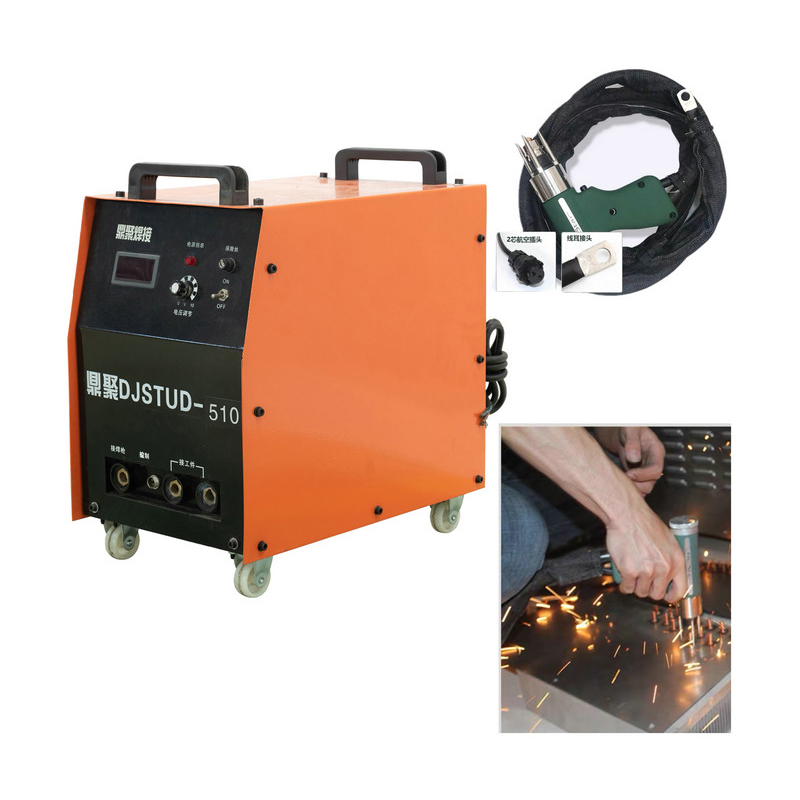
Understanding Stud Spot Welding Technology Today Fastening components to metal panels without drilling or riveting has become a standard requirement across sheet metal fabrication, shipbui...
MEHR LESEN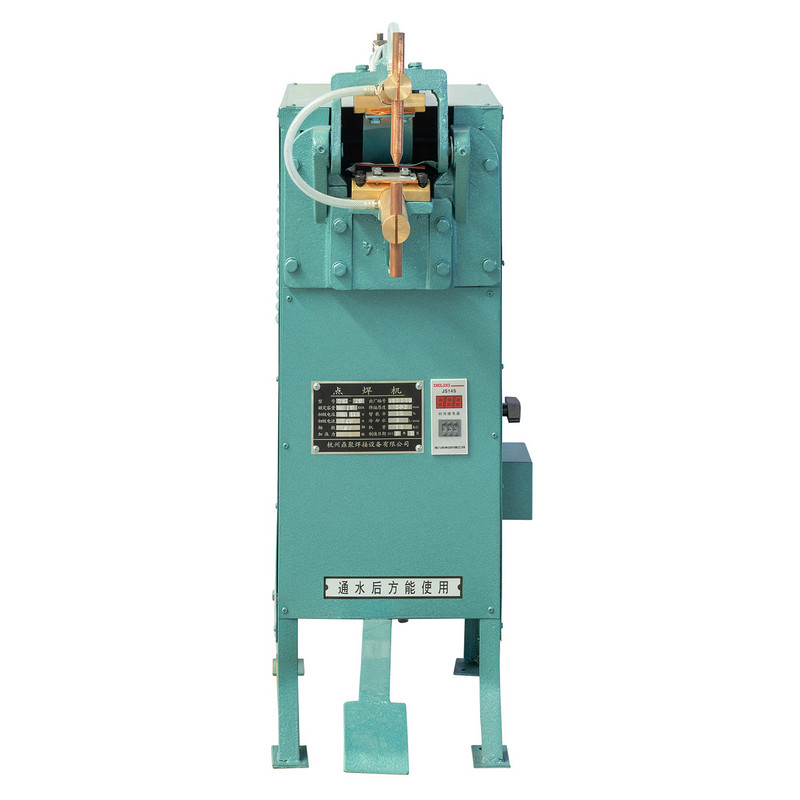
Spot Welding Machine Categories and How They Differ Resistance spot welding equipment is generally divided by how the electrode force is generated and applied. Mechanical foot-pedal units ...
MEHR LESEN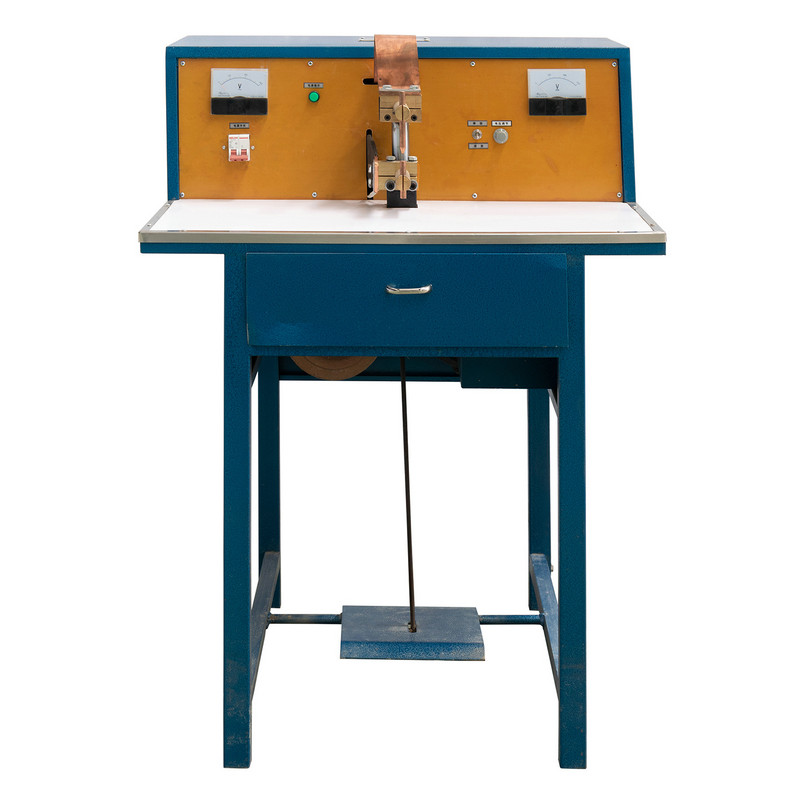
Why Heat Is the Hidden Bottleneck in Spot Welding Jede Widerstandspunktschweißung ist im Kern ein kontrollierter thermischer Vorgang. Ein kurzer, intensiver Stromimpuls fließt durch zwei ü...
MEHR LESEN
Why Electrode and Controller Maintenance Determines Weld Quality In resistance spot welding, the quality of every joint depends on two components working in sync: the electrode that delive...
MEHR LESEN
Produkt
Kontaktinformationen.
+86-152-5712-5882
Fax: +86-563-2269966
Nr. 21 Guangping Road, Guangde Wirtschaftsentwicklungszone, Guangde City, Provinz Anhui
QR-Code